Every year, brands budget for Durga Puja as if it were a five-day event. It isn't. Mahalaya falls on October 10, 2026, Maha Shashthi on October 16, and Vijaya Dashami on October 21 — but the consumer who buys your product during the puja decided to buy it weeks earlier. Clothing, jewellery, appliances, two-wheelers, home renovation, even the FMCG basket for entertaining guests — these purchase journeys start in late August and early September, well before the first dhaak is heard.
Brands that show up only in the five-day visibility window are showing up after the decision has already been made.
That's the shift this playbook is built around: Durga Puja is Bengal's largest annual shopping season, and it deserves the planning discipline of one — not the last-minute banner-and-hoarding scramble most brands still default to.
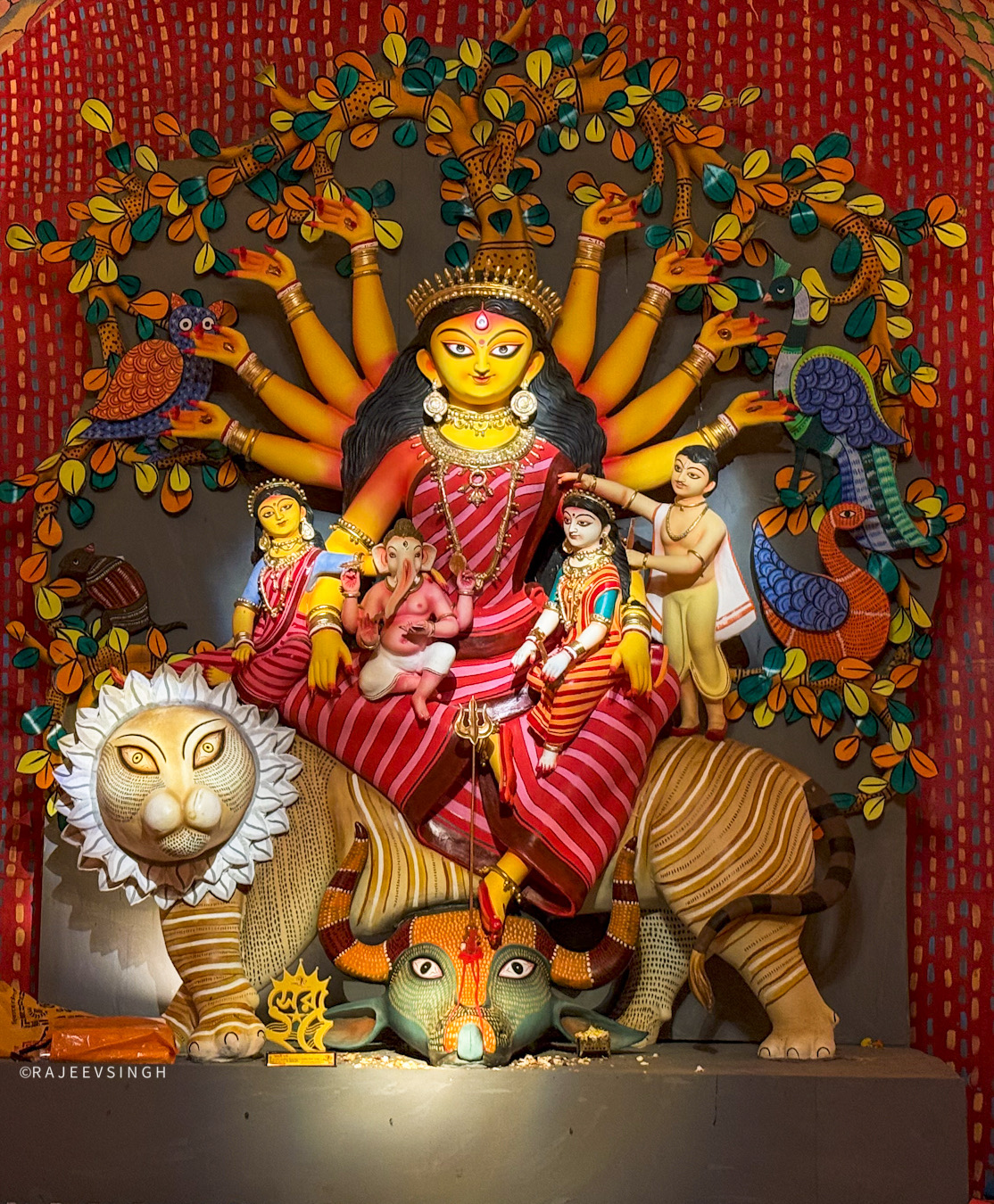
Why Timing Is the First Strategic Decision
Retail data across Kolkata and East India shows discretionary spending on clothing and consumer durables climbing steadily from mid-August, accelerating through September, and peaking in the ten days before Shashthi. Jewellery and appliance financing offers typically launch by early September to capture this curve. By the time pandal-hopping begins, most big-ticket decisions are locked in.
Working backward from Shashthi on October 16, a 45–60 day runway puts your planning start between August 17 and September 1. That's when retail environments need to be brief-ready, media bookings need to be confirmed against the best routes and sites, pandal or club associations need to be locked before rates spike, and digital funnels need to be live and already collecting intent signals.
"Brands that start planning in late September are competing for inventory, sites, and consumer attention that's already been claimed."
The Festive Growth Framework
A festive campaign that actually moves revenue isn't four disconnected activities — it's one consumer journey engineered across four pillars, each handing off to the next.
The mistake most agencies make is treating these as four separate line items with four separate vendors. The framework only works if each pillar is designed to feed the next: outdoor visibility should route people toward retail; on-ground engagement should push people into a digital funnel; digital targeting should be built around the same catchments where retail and outdoor are concentrated.
Fragmented execution produces fragmented recall. Connected execution produces a consumer who sees your brand at the pandal, on the route home, on their WhatsApp, and at the point of purchase — and reads all four as one coherent brand moment.
Strategic Execution Pillars
Retail Branding: Build the Festive Environment, Not Just the Festive Offer
Thirty days out, the store itself needs to become a festive environment — signage, in-store theming, staff briefing on festive SKUs and bundles, and visual merchandising that signals "this store is ready for Puja" before the consumer reads a single price tag. Retailers who wait until the week of Shashthi to theme their outlets are asking consumers to notice a change that should have already become the new normal by the time footfall peaks.
The retail environment is doing conversion work that no amount of outdoor or digital spend can substitute for — it's the last three feet of the entire campaign.
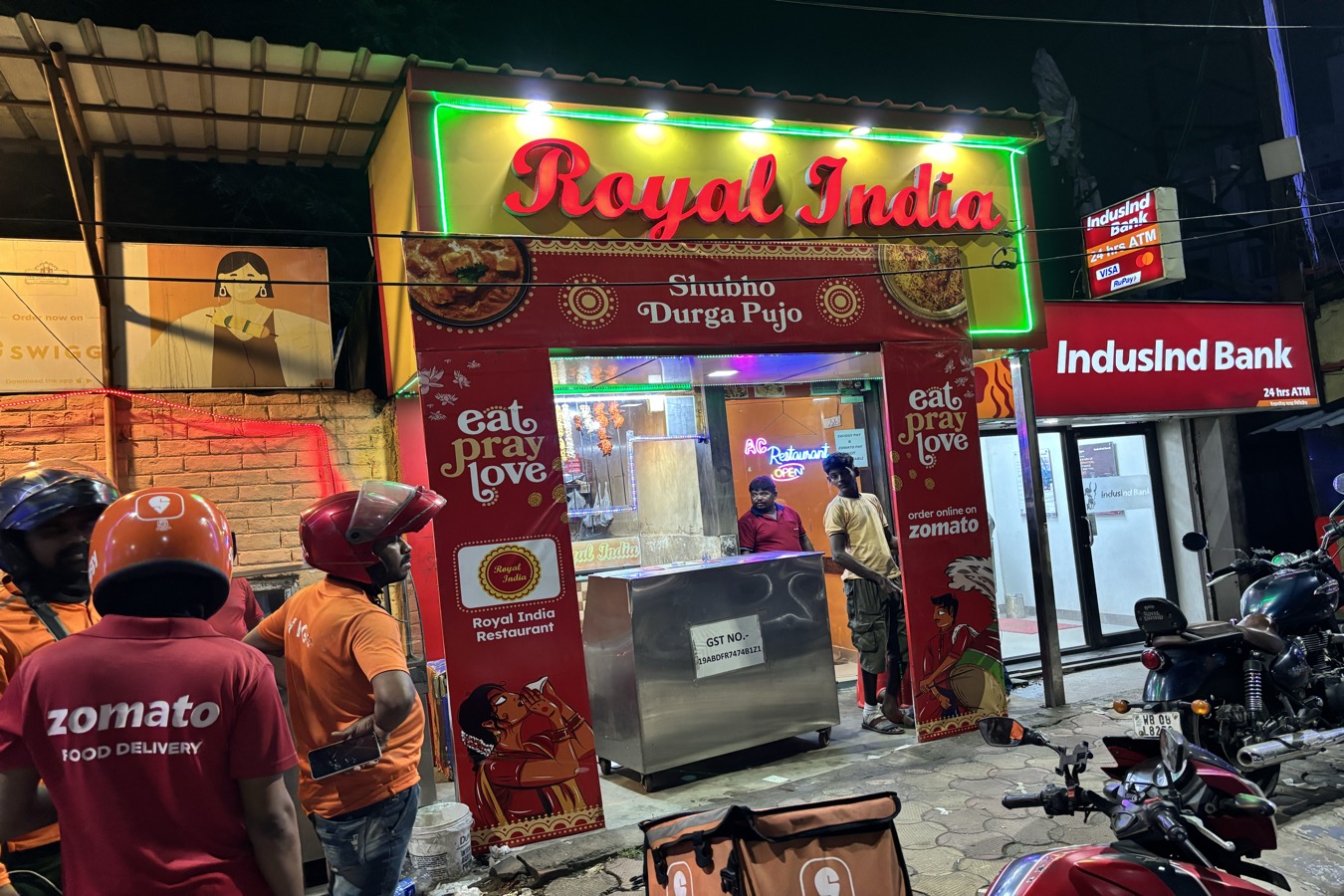
The Shopping Journey: Media Placed on the Path to Purchase
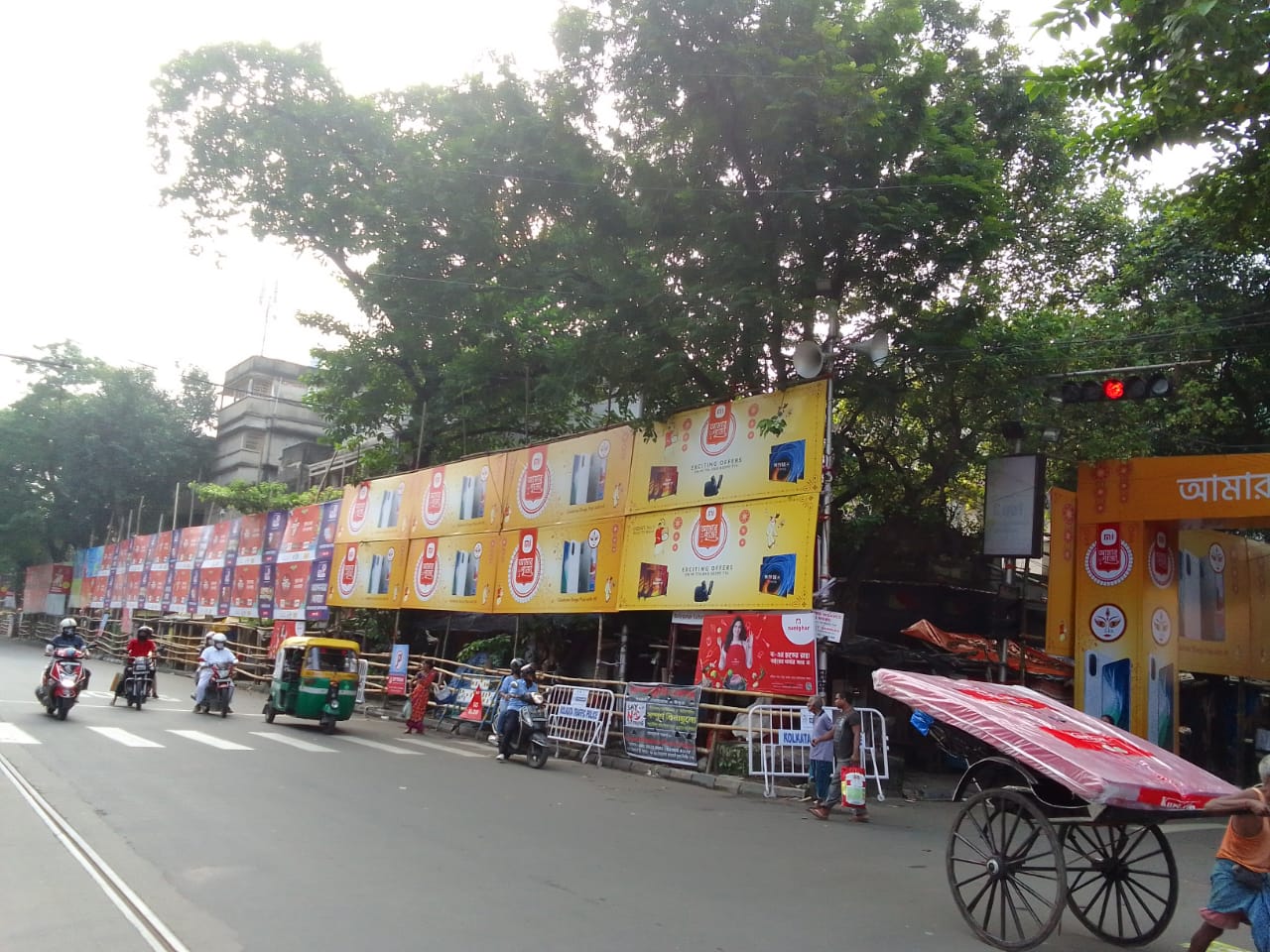
Most outdoor planning in Kolkata still optimises for raw traffic count — the biggest, busiest junction gets the hoarding. That's the wrong metric during Puja. The right question is where the shopping journey actually happens: the stretch between a Gariahat market crowd and the shops they're walking toward, the route from a Salt Lake residential block to the nearest durables showroom, the last 200 metres before a Behala retail cluster.
Media placed near the actual point of purchase decision does more conversion work than the same spend on a high-traffic flyover with no retail context around it. This is a targeting discipline, not a budget increase — it's about buying the right few sites instead of the most visible ones.
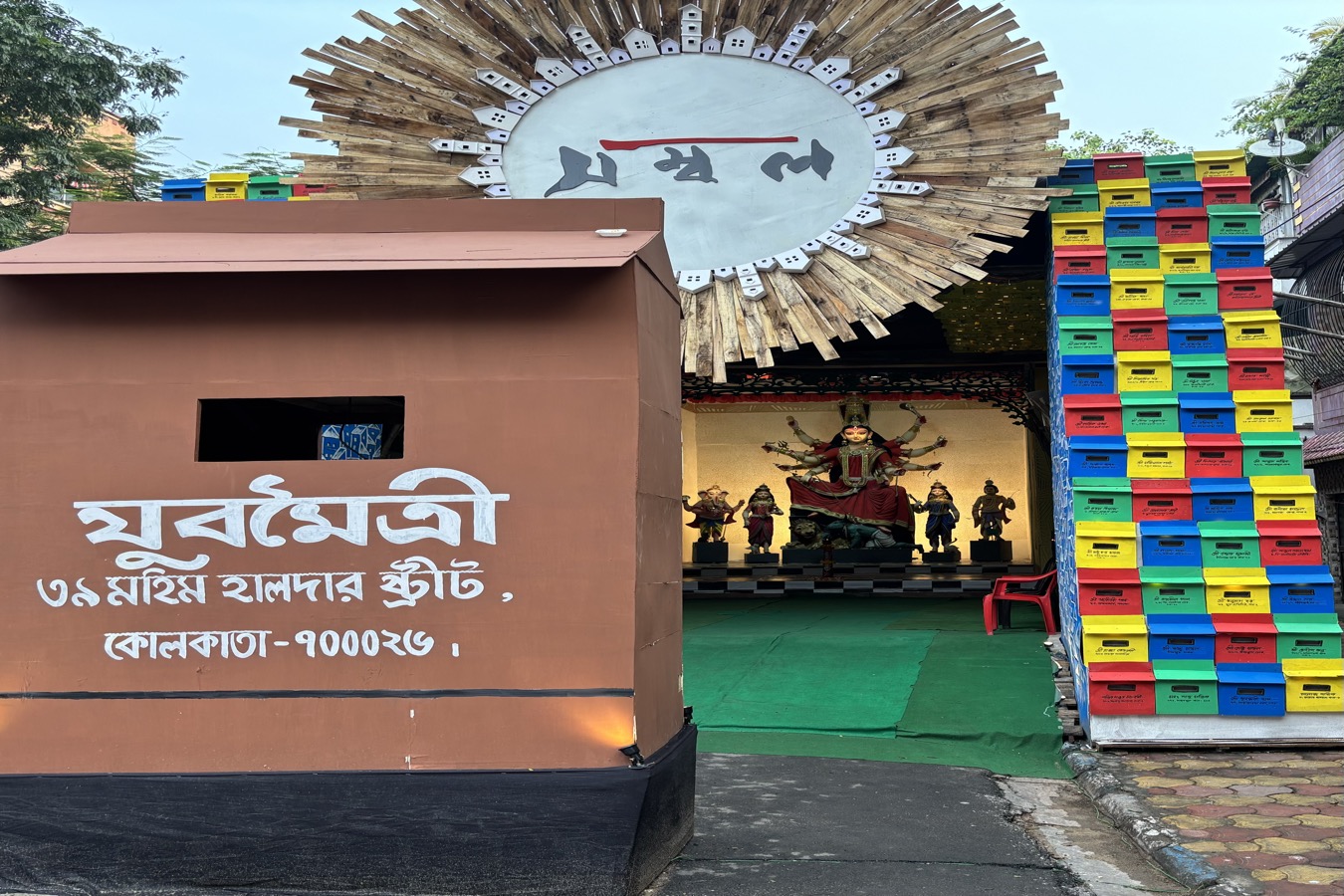
Strategic Associations: Audience Fit Over Pandal Size
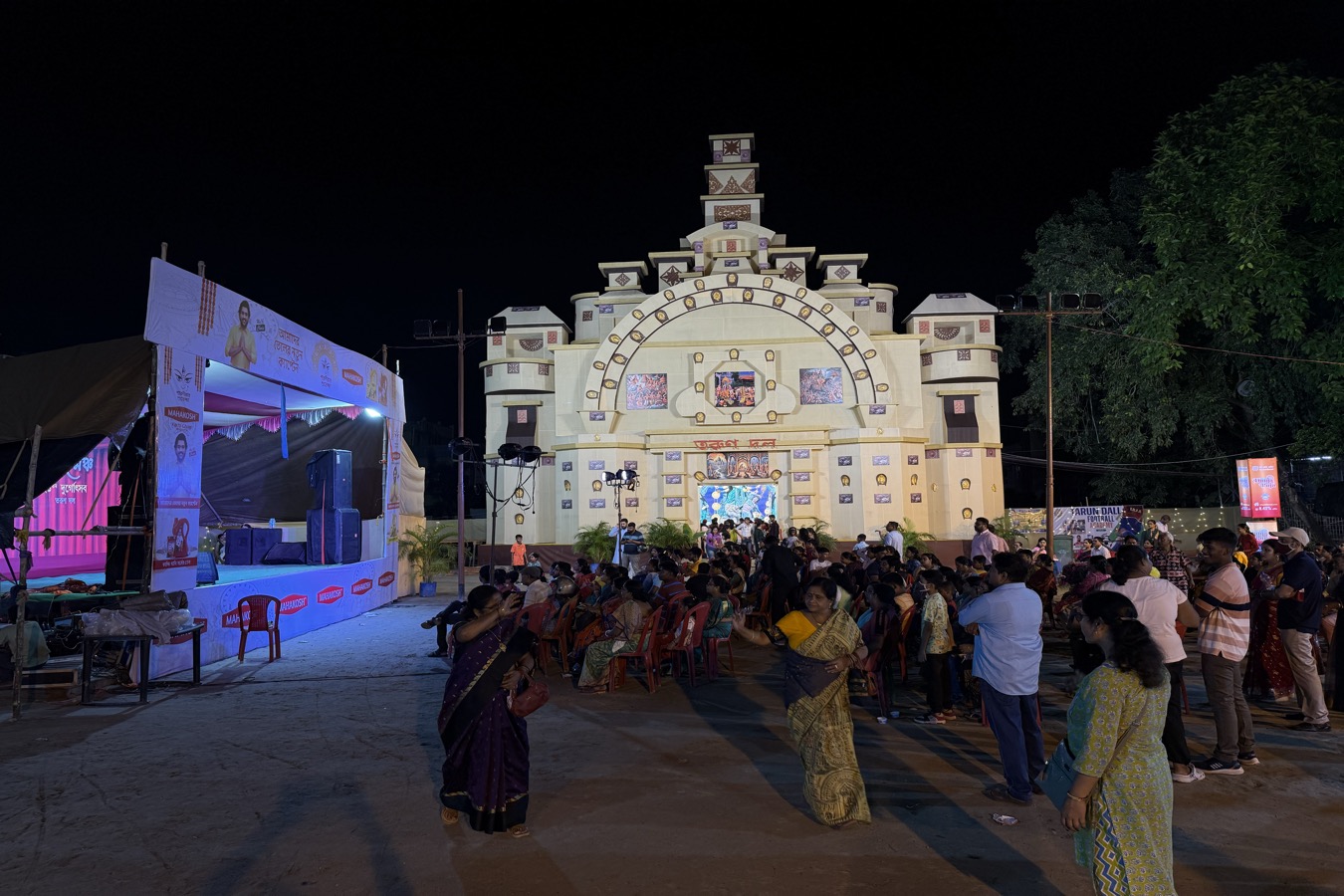
Every season, brands default to sponsoring the biggest pandal in the city because the footfall number looks good in a deck. It's frequently the wrong call. A massive, crowd-of-everyone pandal gives you exposure but very little audience precision, and activation space is often shared with a dozen other sponsors competing for the same three seconds of attention.
A mid-sized pandal in a catchment that matches your target consumer — a family-heavy Salt Lake sarbojanin puja for a durables or BFSI brand, a youth-skewing South Kolkata club for a lifestyle or auto brand — gives you a defined audience profile, real activation room, and a sponsorship cost that lets you actually build an experience rather than just hang a banner.
The right association question isn't "how many people will walk past this pandal," it's "how many of the people walking past are my consumer, and can I get them to engage, not just glance."
Digital Integration: Search, Radius Targeting, and WhatsApp as the Conversion Layer
Digital during Puja isn't a parallel campaign — it's the layer that captures and closes intent generated by the other three pillars. Google Maps and local search data show where footfall is actually clustering in real time, which lets media and retail spend be reallocated mid-season toward the catchments that are performing.
Meta's radius targeting, built around the exact pin-codes of your retail and pandal presence, puts your brand in front of consumers who are physically near your activation, not a generic city-wide audience. And WhatsApp is where the funnel closes — catalogue links, appointment booking for BFSI and auto, click-to-store directions, and festive offer codes all convert better on WhatsApp than on any other channel in Bengal, because it's already the default communication layer for the consumer you're targeting.
Treat WhatsApp as the final CTA on every other pillar, not an afterthought bolted on at the end.
Creative Strategy: Authentic Bengali Content, Not Generic Festive Greetings
Most national brands run the same "Shubho Mahalaya" creative with a marigold border and a generic well-wish line, and it disappears into the feed alongside fifty identical posts from other brands the same week. That's not cultural connection — it's cultural decoration.
Authentic Bengali content draws from the texture of the festival itself: the geometry of an alpona drawn at a doorstep, the specific rhythm changes a dhaaki plays across Shashthi versus Ashtami versus the Dhunuchi Naach on Ashtami night, the difference between a North Kolkata para's addasy nostalgia and a New Town housing complex's curated, Instagram-ready pandal-hopping itinerary. Content that reflects these distinctions signals that a brand actually understands Bengal, rather than having Puja bolted onto a national festive content calendar as an afterthought.
The same discipline applies to influencer selection. Follower count is a vanity metric during Puja; relevance to a specific para or catchment is not. A food creator known specifically for their Gariahat and College Street pandal-hopping food trail carries more purchase influence with that audience than a national lifestyle influencer with ten times the followers and zero credibility on where to eat near Ekdalia Evergreen. The right influencer brief asks who this creator's audience actually is, whether that audience overlaps with your retail and pandal catchments, and whether their content style matches the authentic register you're going for — not how many followers sit on their profile.
Hyperlocal Over City-Wide: Why "Spray and Pray" Fails in Bengal
A city-wide Kolkata buy sounds comprehensive and performs poorly. Gariahat shoppers, Salt Lake residents, and Behala families are three different consumer profiles with different income bands, different footfall patterns, and different purchase triggers — a single generic message spread thin across all three usually resonates with none of them at the depth needed to move a purchase decision.
Dominating two or three catchments with retail, outdoor, on-ground, and digital working together beats a diluted presence across ten. This is the same logic that applies beyond Kolkata — Durgapur, Siliguri, and the Bengal district towns, along with Bhubaneswar, Patna, and Guwahati, each carry their own catchment dynamics that a Kolkata-only playbook doesn't translate to automatically. Depth in the right micro-markets outperforms breadth across the wrong ones, every single year.
The 60-Day Roadmap Countdown Window (2026)
Strategy locked: catchment selection (2–3 markets, not city-wide), pandal and club negotiations opened before rates spike, outdoor sites shortlisted against shopping-journey routes, budget split confirmed across the four pillars.
Retail theming briefs finalised and production started, digital creative (Bengali-authentic, not generic) briefed and shot, influencer partnerships confirmed based on catchment relevance, WhatsApp funnel and catalogue built.
Store environments go live, outdoor media mounted, Meta radius targeting activated around confirmed retail and pandal pin-codes, on-ground activation logistics (canopies, staffing, RWA tie-ups) finalised.
Full activation live: pandal presence, on-ground engagement, WhatsApp enquiry handling staffed up, daily footfall and digital-intent tracking begins.
Peak execution — Shashthi through Vijaya Dashami. Daily monitoring of footfall, direction requests, and WhatsApp volume by catchment, with budget reallocation to the sites and pandals that are actually converting.
Measurement phase: footfall and enquiry data consolidated by catchment, cost-per-store-visit and cost-per-enquiry calculated, and a debrief that feeds directly into the 2027 catchment and budget plan.
Brands that enter this roadmap in the Day 60–45 window get first pick of pandal associations and outdoor sites. Brands that enter at Day 30 are negotiating for whatever's left.
KPIs for Marketers
Vanity metrics — total footfall at a pandal, impressions on a hoarding — tell you almost nothing about whether the campaign moved revenue. The KPIs that matter are the ones that trace a consumer from exposure to a store visit or a transaction.
Where This Goes From Here
The brands that win Puja 2026 aren't the ones with the biggest single hoarding or the loudest pandal sponsorship. They're the ones who start in August, connect all four pillars into one consumer journey, and pick their catchments with the same rigour they'd apply to a national media plan.
That takes East India ground intelligence that a generic city-wide agency brief doesn't have — knowing which pandal committees are worth negotiating with in July, which retail clusters convert versus which ones just generate footfall, and which digital catchments actually match your offline presence.
If your festive plan for 2026 is still sitting at the "let's do a few hoardings and a pandal banner" stage, the runway to do this properly is closing. Start planning now — the premium pandal associations, the routes that actually convert, and the retail clusters worth owning are being locked in by whoever moves first.